
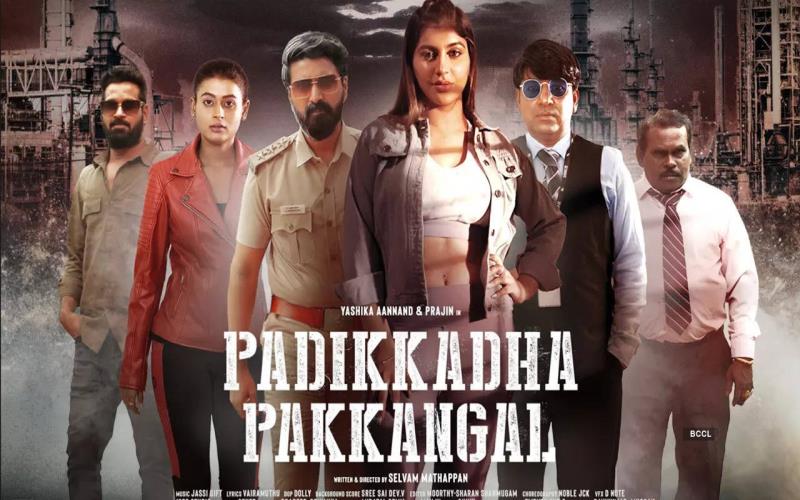
Tamil cinema has a rich history of producing films that resonate deeply with audiences, blending powerful storytelling with cultural relevance. Among the notable creations of this illustrious industry, Padikada Pakkangal holds a special place. Directed by K. S. Gopalakrishnan, this 1972 classic is a milestone that captures the socio-political dynamics of its time, delivering a compelling narrative that continues to captivate viewers decades later.
In this article, we will explore the movie’s plot, themes, characters, impact on Tamil cinema, and its enduring legacy in Tamil Nadu’s cultural landscape.
The Plot
Padikada Pakkangal revolves around the lives of individuals from contrasting socio-economic backgrounds and the conflicts that arise due to class disparities. The story masterfully intertwines personal relationships with broader societal issues, providing a mirror to the tensions prevalent in Tamil Nadu during the early 1970s.
The protagonist, played by Sivaji Ganesan, is a man of integrity and principles, who finds himself entangled in a web of familial and societal obligations. His character’s journey is emblematic of the struggles of the common man, balancing personal aspirations against societal expectations. The film’s antagonist, portrayed by Major Sundarrajan, represents the privileged elite, whose actions highlight the growing divide between the rich and the poor.
At its core, the movie is a battle of ideals – the preservation of traditional values versus the necessity for social reform. This thematic duality gives the narrative a timeless quality, making it relevant even in contemporary discussions about equity and justice.
Themes and Symbolism
Class Struggle

One of the central themes of Padikada Pakkangal is the disparity between the upper and lower classes. The movie critiques the exploitation of the underprivileged by the powerful elite, shedding light on systemic injustices. Through its characters, the film delves into how wealth and status often dictate relationships and opportunities, a theme that resonates with audiences even today.
Family and Relationships
Family dynamics play a crucial role in the narrative. The relationships between the characters are complex, reflecting the challenges of maintaining personal bonds in the face of societal pressures. The film portrays the sacrifices individuals make for their loved ones, highlighting the emotional weight of familial obligations.
Moral Integrity
The protagonist’s unwavering commitment to his principles is a recurring motif in the film. His actions are guided by a moral compass, making him a symbol of righteousness. This theme of integrity serves as an inspiration for audiences, encouraging them to uphold their values despite adversities.
Characterization and Performances
The success of Padikada Pakkangal lies significantly in its well-drawn characters and stellar performances by the cast.
Sivaji Ganesan
Known as the “Nadigar Thilagam” (Pride of Actors), Sivaji Ganesan delivers a powerhouse performance as the protagonist. His ability to convey complex emotions with subtlety and depth elevates the film, making his character relatable and memorable.
Lakshmi
Lakshmi’s portrayal of the female lead adds a layer of emotional depth to the story. Her character is a representation of the struggles faced by women in a patriarchal society, fighting for agency and dignity.
Major Sundarrajan
As the antagonist, Sundarrajan brings nuance to his role, avoiding the pitfalls of one-dimensional villainy. His performance highlights the moral ambiguities of power and privilege, making his character a compelling foil to the protagonist.
Supporting Cast
The film boasts a strong supporting cast, including Nagesh, who provides moments of levity, and the veteran actor V. Nagayya, whose presence lends gravitas to the narrative. Each character plays a pivotal role in advancing the story, contributing to the film’s layered storytelling.
Music and Cinematic Craftsmanship
The music of Padikada Pakkangal, composed by M. S. Viswanathan, is a cornerstone of the film’s emotional resonance. Songs like “Aayiram Nilave Vaa” and “Kaathiruppen Unai Thaedi” remain evergreen classics, blending soulful melodies with poignant lyrics. The soundtrack not only complements the narrative but also enhances its emotional impact, leaving a lasting impression on audiences.
From a technical perspective, the film’s cinematography by K. S. Prasad captures the rural landscapes of Tamil Nadu with authenticity. The director’s ability to juxtapose the beauty of the countryside with the harsh realities of its inhabitants adds a layer of visual storytelling.
Impact on Tamil Cinema
Released during a period of significant socio-political change in Tamil Nadu, Padikada Pakkangal struck a chord with audiences, becoming both a critical and commercial success. Its exploration of class issues resonated with viewers, sparking conversations about equity and justice. The film’s narrative style and thematic depth set a benchmark for socially conscious cinema in Tamil Nadu.
Influence on Future Filmmakers
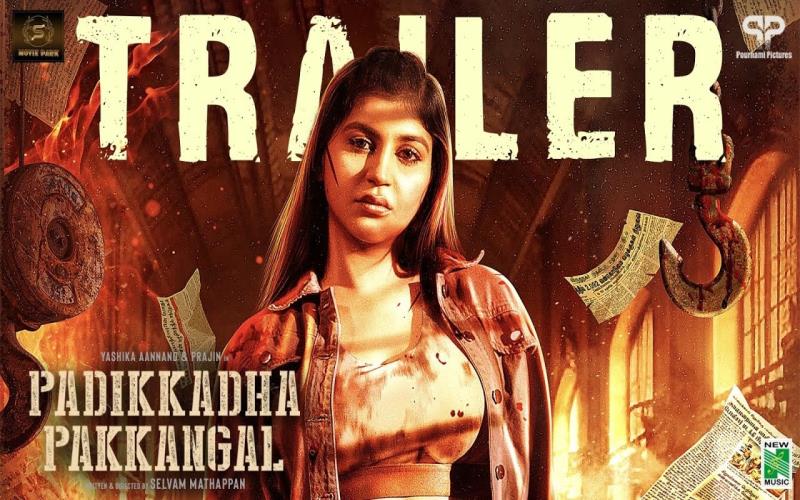
The movie inspired a generation of filmmakers to explore socially relevant themes in their work. Directors like Bharathiraja and Mani Ratnam have cited Tamil cinema’s legacy of addressing societal issues as a key influence on their storytelling.
Awards and Recognition
Padikada Pakkangal earned numerous accolades, solidifying its place as a classic of Tamil cinema. Its success also reinforced the importance of storytelling that balances entertainment with social commentary.
Enduring Legacy
Even decades after its release, Padikada Pakkangal continues to be celebrated as a masterpiece. Its themes remain relevant in discussions about socio-economic disparities, family dynamics, and moral integrity. The film is often screened during Tamil cultural events and is studied as part of Tamil cinema history.
Cultural Significance
The film’s portrayal of rural Tamil Nadu, coupled with its focus on cultural and ethical values, has made it a favorite among audiences who cherish the region’s traditions. Its songs and dialogues have become part of Tamil popular culture, quoted and referenced across generations.
Revival of Interest
With the advent of digital platforms, classic Tamil films like Padikada Pakkangal are reaching new audiences. Restored versions of the film have introduced it to younger generations, ensuring that its legacy endures.
Conclusion
Padikada Pakkangal is more than just a film; it is a reflection of Tamil society and its struggles during a transformative era. Through its powerful narrative, unforgettable performances, and timeless music, the movie has etched itself into the annals of Tamil cinema. It stands as a testament to the power of storytelling in shaping cultural and social consciousness.
As we revisit classics like Padikada Pakkangal, we are reminded of the enduring relevance of art that speaks to universal human experiences. Whether viewed as a cinematic masterpiece, a cultural artifact, or a call for social justice, this film continues to inspire and resonate, solidifying its place in Tamil Nadu’s cultural heritage.