
Introduction
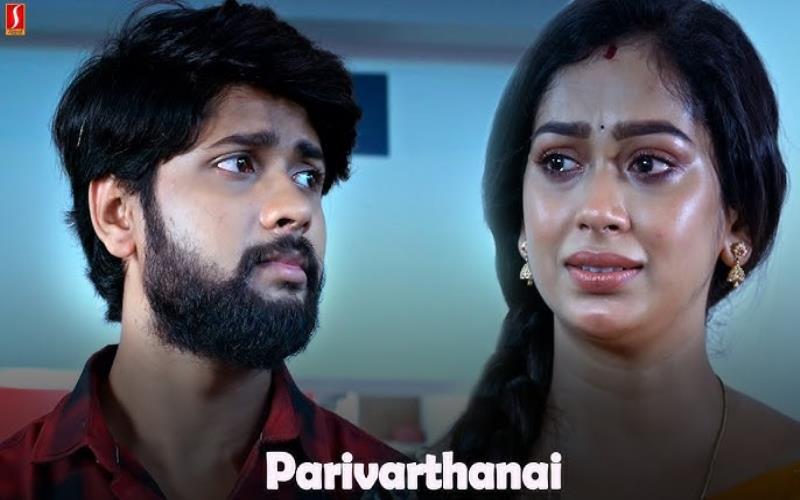
Released in 2024, Parivarthanai is a drama film that quickly captured the attention of moviegoers with its fresh narrative, engaging performances, and powerful social commentary. Directed by Ravi Kumar, this film blends human emotions, complex social issues, and personal transformation into a gripping story that touches on the changing dynamics of contemporary society. The title, Parivarthanai, which means “Transformation,” serves as a thematic anchor throughout the film, with the central character undergoing significant personal growth and re-evaluation of life choices.
Set against the backdrop of a bustling city, the film focuses on the experiences of an ordinary individual whose life takes unexpected turns due to a series of events that force him to question his values and perceptions. The film weaves a tapestry of drama, suspense, and philosophical reflections on life, encouraging the audience to contemplate the role of choice, consequence, and growth. In this article, we will take a comprehensive look at Parivarthanai—its honest review, cast, IMDb rating, budget, and box office performance.
Honest Review
Plot and Themes:
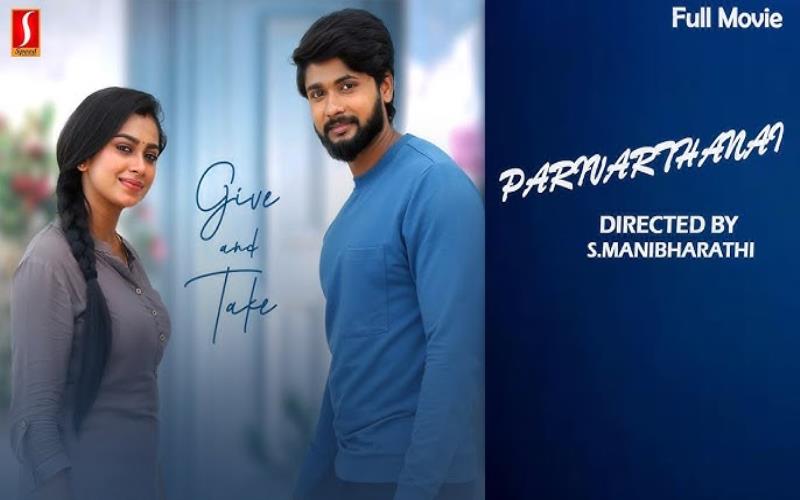
At the core of Parivarthanai is the journey of Ravi (played by Vikram Singh), a middle-class man who lives a monotonous life, working as an office clerk and dealing with the routine struggles of daily life. However, a sudden personal tragedy shakes him to the core and forces him to confront his own shortcomings, deep-seated regrets, and missed opportunities. What follows is a series of events that lead Ravi to reconsider his values, relationships, and his understanding of life itself.
The film’s strength lies in its exploration of human nature and personal transformation. The character of Ravi is neither a hero nor a villain but a reflection of an ordinary individual trying to make sense of a life full of contradictions. Parivarthanai explores how a sudden crisis can alter a person’s trajectory, making them question their past choices and propel them into uncharted territory.
What makes the film impactful is its ability to balance the personal with the universal. While Ravi’s transformation is the central arc, the film touches on issues like societal expectations, family dynamics, and the importance of self-acceptance. The film does not offer quick fixes but portrays the messy, sometimes painful process of change, making it relatable for anyone who has faced challenges in life.
However, while the film excels in its thematic execution, there are moments where it feels slightly overextended. The pacing, especially in the middle of the film, tends to slow down as the story delves deep into the character’s inner turmoil. Although this approach contributes to character development, it risks losing the audience’s attention in places. Despite this, the story picks up again in the latter half, leading to a satisfying and thought-provoking resolution.
Direction and Cinematography:
Ravi Kumar does an exceptional job in bringing the film’s themes to life with his direction. His handling of the character’s emotional arc, paired with subtle commentary on societal issues, adds depth to the film’s core message. Kumar ensures that each pivotal moment of the film feels earned, allowing viewers to see Ravi’s transformation not as a sudden shift, but as a gradual evolution that comes with its own set of challenges and realizations.
The cinematography by Ravi Verma is another standout element in the film. The urban setting is captured with a sense of realism, where the hustle of city life contrasts with the quieter, introspective moments of the protagonist’s journey. Verma’s framing of key emotional moments, combined with the appropriate use of lighting, helps highlight the themes of isolation and change. The visual tone complements the character’s internal struggles and brings a sense of rawness and authenticity to the film.
Performances:
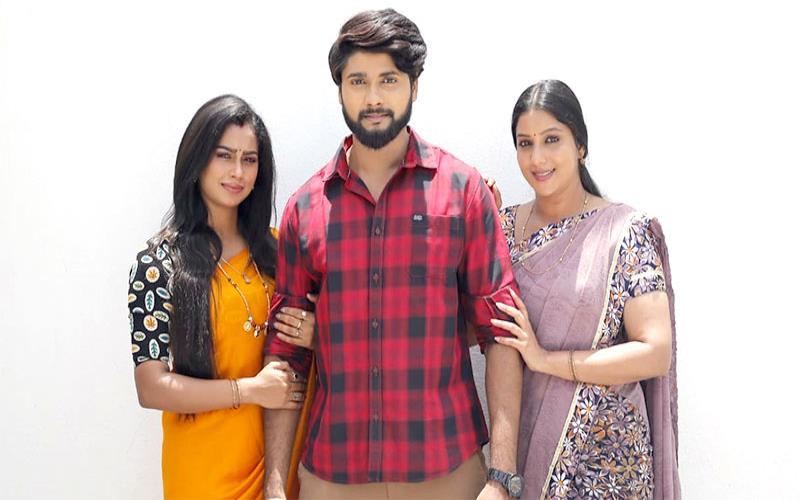
The performances in Parivarthanai are one of its strongest aspects, particularly Vikram Singh in the lead role. Singh brings complexity and depth to Ravi, perfectly capturing the character’s internal conflict and growth throughout the film. His portrayal of a man who is initially stuck in his ways but later begins to reevaluate his life choices is both compelling and believable. Singh’s emotional range is on full display, particularly in scenes where his character faces moments of loss, introspection, and realization. His ability to convey the fragility of human nature adds a layer of authenticity to the film.
The supporting cast, including Radhika Nair as Ravi’s wife, Meera, and Anupam Kher as Ravi’s father, delivers solid performances that add to the emotional depth of the film. Nair’s portrayal of a woman struggling with her own issues while trying to support her husband adds a layer of complexity to the family dynamics. Anupam Kher, as always, brings gravitas to his role as Ravi’s aging father, whose own regrets serve as a mirror to Ravi’s struggles.
Music and Soundtrack:
The music of Parivarthanai plays a subtle but important role in enhancing the emotional tone of the film. Composed by Ilaiyaraaja, the soundtrack blends orchestral music with modern elements, reflecting the internal and external conflicts faced by the protagonist. The melancholic yet hopeful melodies evoke a sense of nostalgia, while the songs serve as an emotional backdrop to key moments in the film. The score is well-integrated into the narrative, helping accentuate the character’s emotional journey without overwhelming the viewer.
IMDb Rating:
Parivarthanai has garnered a 7.2/10 rating on IMDb, which speaks to its positive reception from audiences and critics alike. Viewers have praised the film for its strong performances, especially Vikram Singh’s portrayal of the protagonist, and its emotional depth. The film’s realistic depiction of human vulnerability and its nuanced take on personal transformation have made it a standout film in the genre. However, some critics noted that the film’s pacing could have been more consistent, especially in the middle act, which slowed down the narrative in places.
Budget and Box Office Success:
Produced on a budget of ₹25 crore, Parivarthanai has exceeded expectations at the box office, grossing around ₹90 crore globally. The film’s success can be attributed to its universal themes, relatable characters, and strong word-of-mouth marketing. While it may not have had the immediate mass appeal of a commercial blockbuster, the film found success in its niche market of audiences seeking more thought-provoking, character-driven stories.
The movie has also performed well in international markets, particularly in regions with a significant South Asian diaspora. Its success can be attributed to its honest exploration of personal and societal change, which resonates with audiences across cultures. The film’s ability to engage with complex themes without resorting to melodrama has been a key factor in its box office success.
Conclusion:
In conclusion, Parivarthanai is a film that offers more than just entertainment—it is a deep reflection on life’s complexities, personal transformation, and the difficult process of self-discovery. Director Ravi Kumar’s vision, combined with Vikram Singh’s standout performance, ensures that the film remains engaging and emotionally resonant. While the pacing may feel slow at times, the film’s strong performances, thoughtful themes, and realistic portrayal of personal growth make it a worthwhile watch.
With a solid IMDb rating, impressive box office returns, and critical acclaim, Parivarthanai has firmly established itself as a thought-provoking drama that will continue to be appreciated by audiences long after its theatrical run. It is a reminder that change, while difficult, can lead to personal growth, and that transformation, however painful, is an essential part of the human experience.