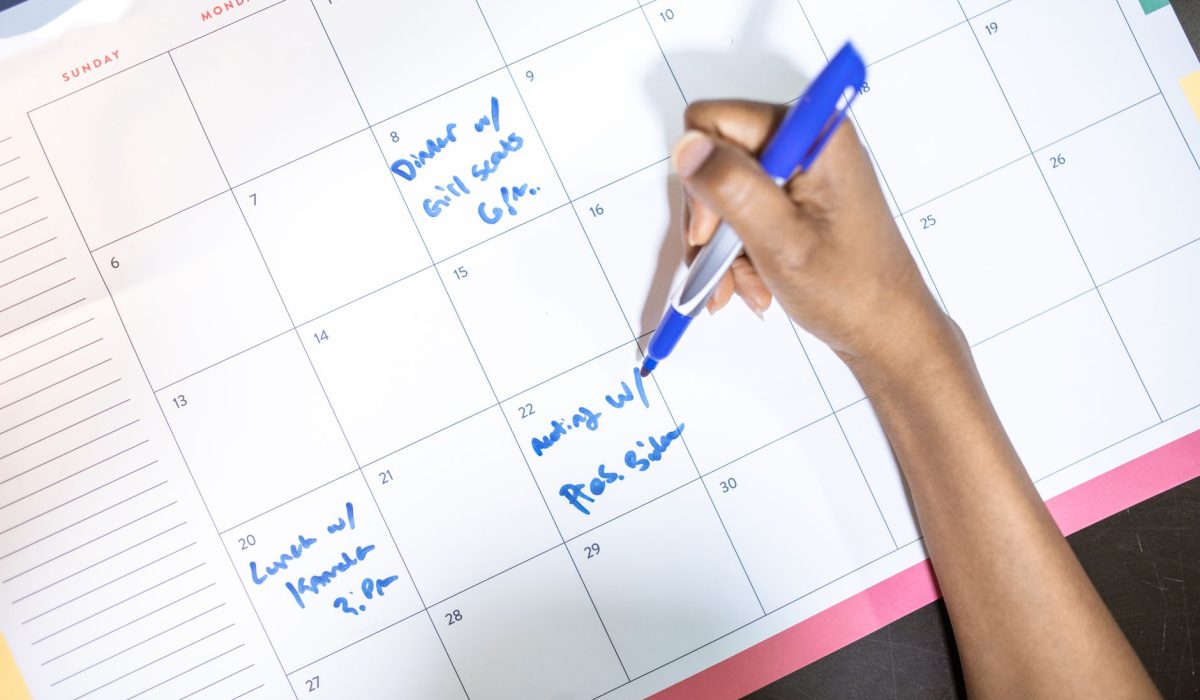
Best Way To Organize Calendar systems effectively is something many people struggle with, especially when balancing work, personal life, and unexpected tasks. A messy or unplanned schedule can easily lead to stress, missed deadlines, and a feeling of being constantly behind. On the other hand, a well-organized calendar brings clarity, structure, and a sense of control over your time.
Organizing your calendar is not just about filling in dates. It is about creating a system that helps you prioritize, manage energy, and make time for what truly matters. Whether you use a digital tool or a physical planner, the right approach can completely change how you manage your day.
Understanding the Best Way To Organize Calendar for Daily Life
The Best Way To Organize Calendar starts with understanding how you currently use your time. Many people underestimate how much time is wasted on unplanned activities, distractions, or overlapping tasks. Before making changes, it helps to observe your existing routine.
A calendar should reflect your real life, not an ideal version of it. This means including work hours, personal commitments, rest time, and even breaks. When everything is visible in one place, it becomes easier to see where your time is going.
Another important aspect is clarity. A cluttered calendar with too many overlapping tasks can feel overwhelming. Instead, keeping things simple and structured helps you stay focused and calm.
The goal is not to fill every hour but to create a balanced rhythm that supports productivity without burnout.
Choosing the Right Tools for Calendar Organization
One important step in finding the Best Way To Organize Calendar is selecting the right tool. Some people prefer traditional paper planners, while others rely on digital apps. Both have advantages depending on your lifestyle.
Digital calendars are highly flexible. They allow reminders, automatic updates, and easy access across devices. Tools like Google Calendar or Outlook make it simple to schedule meetings, set alerts, and adjust plans quickly.
On the other hand, physical planners offer a more hands-on experience. Writing things down can improve memory and give a clearer sense of structure. Some people find it easier to focus when they physically write their tasks.
The best choice depends on your habits. If you are constantly on the move, digital tools may work better. If you prefer slower, more mindful planning, a notebook might be more effective.
In some cases, a combination of both works best—using digital tools for reminders and a physical planner for daily reflection.
Prioritizing Tasks for Better Time Management
A key part of the Best Way To Organize Calendar is learning how to prioritize tasks. Not all tasks have the same importance, and treating them equally can lead to stress and inefficiency.
One helpful method is categorizing tasks into urgent, important, and optional. Urgent tasks need immediate attention, while important tasks contribute to long-term goals. Optional tasks can be completed when time allows.
Another useful approach is time blocking. This involves assigning specific time slots to different activities. For example, you might block mornings for focused work and afternoons for meetings or errands.
It’s also important to avoid overloading your calendar. Leaving some free space in your schedule allows flexibility for unexpected tasks or rest. A packed calendar may look productive, but it often leads to burnout.
Prioritization helps ensure that your energy is spent on meaningful tasks rather than constant busywork.
Creating a Balanced Weekly and Daily Schedule
When thinking about the Best Way To Organize Calendar, balance is essential. A well-structured schedule includes both productivity and rest.
Start by planning your week instead of just your day. Weekly planning gives you a broader view of your commitments and helps you avoid overbooking. You can then break down larger tasks into daily actions.
Each day should have a realistic number of tasks. Trying to do too much in one day often leads to frustration and unfinished work. A balanced schedule includes time for work, meals, relaxation, and personal activities.
It is also helpful to group similar tasks together. For example, handling emails at one time of the day instead of constantly checking them can improve focus and efficiency.
Rest time is just as important as work time. Including breaks in your calendar helps maintain energy and prevents mental fatigue.
A balanced schedule creates a sustainable routine that supports both productivity and well-being.
Maintaining Consistency and Adjusting Your Calendar
The Best Way To Organize Calendar is not a one-time task—it requires regular adjustment. Life changes, priorities shift, and unexpected events happen. A flexible system is more effective than a rigid one.
At the end of each week, reviewing your calendar can help you understand what worked and what didn’t. This reflection allows you to improve your planning over time.
Consistency is also important. Using your calendar daily helps build a habit of organization. The more you rely on it, the more natural it becomes to plan ahead.
However, flexibility should always be part of your system. If something unexpected comes up, adjusting your schedule is better than ignoring your calendar altogether.
Over time, you will develop a system that fits your lifestyle and supports your goals more effectively.
Final Thought
The Best Way To Organize Calendar is not about perfection but about creating a system that works for you. A well-organized calendar helps reduce stress, improve focus, and bring structure to your daily life.
By choosing the right tools, prioritizing tasks, and maintaining balance, you can turn your calendar into a powerful tool for productivity and peace of mind.
The key is consistency and flexibility. When your calendar reflects your real life and adapts with you, it becomes an essential part of staying organized and in control of your time.
FAQs
What is the best way to start organizing a calendar?
Start by listing your tasks, commitments, and priorities, then place them into a simple weekly structure.
Should I use a digital or paper calendar?
It depends on your preference. Digital calendars offer convenience, while paper planners provide a hands-on experience.
How many tasks should I put in a day?
It’s best to keep a realistic number of tasks and avoid overloading your schedule.
What is time blocking in calendar organization?
Time blocking is assigning specific time slots to different tasks to improve focus and productivity.
How often should I update my calendar?
Review and adjust your calendar at least once a week to keep it accurate and effective.