
Introduction
Karumegangal Kalaigindrana (2023) is a Tamil-language drama film directed by Thangar Bachan, known for his ability to explore deep emotional and societal themes through captivating storytelling. The film presents a complex narrative, delving into issues of family, relationships, and personal growth. With an ensemble cast led by Kishore, Rohini, and Sangeetha, the film promises a raw and realistic portrayal of human emotions, set against the backdrop of Tamil Nadu’s cultural landscape.
The title of the movie translates to “The Black Paint Begins to Fade,” and this metaphor perfectly encapsulates the core theme of the film. It reflects the struggles of the characters as they navigate their lives, with the “black paint” symbolizing emotional baggage, personal turmoil, and the gradual healing process that comes with time.
In this article, we will explore the plot, offer an honest review, analyze the performances, discuss the IMDb rating, budget, and box office success, and ultimately assess what makes Karumegangal Kalaigindrana a remarkable piece of contemporary Tamil cinema.
Plot Overview
The story of Karumegangal Kalaigindrana revolves around the lives of ordinary individuals dealing with the complexities of life, relationships, and personal challenges. Set in a small village in Tamil Nadu, the film focuses on a family and their various struggles, both within their household and in society. The narrative touches on the emotional turmoil of the family members, each carrying their own set of unresolved issues and emotional baggage.
The central character, Muthu, played by Kishore, is a man burdened with personal loss and a strained relationship with his wife, Thulasi (played by Rohini). Their marriage is on the verge of collapse, and both are trying to find a way to move past the events that have shaken their lives. The conflict intensifies when a sudden tragedy strikes, forcing the characters to confront their past and the emotional scars they carry.
As the plot unfolds, we see Muthu and Thulasi’s journey of healing, self-discovery, and redemption. The supporting characters, including Sangeetha and Prakash Raj, add further layers to the story, each portraying individuals who are also grappling with their own demons. Through their experiences, the film explores themes of forgiveness, family bonds, and the difficult path to emotional recovery.
At its core, Karumegangal Kalaigindrana is a story about confronting the “black paint” of unresolved emotions and learning to embrace the healing process, no matter how difficult it may be.
Honest Review
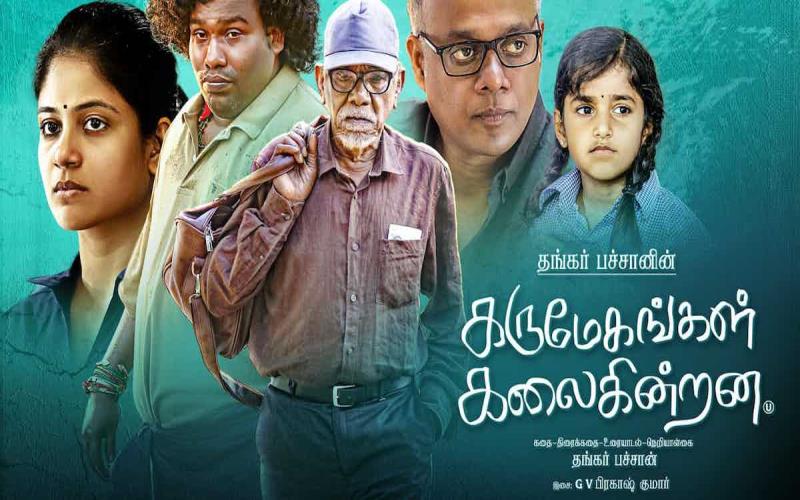
Direction and Cinematography:
Thangar Bachan’s direction is one of the standout features of the film. Known for his subtle, yet impactful storytelling, Bachan once again proves his mastery in crafting a narrative that doesn’t just entertain, but also provokes thought and reflection. The film’s pacing is deliberate, allowing each character to evolve organically without rushing through their emotional journey. While the plot may appear slow at times, it serves the story well, as it gradually unveils the depth of the characters’ emotions and struggles.
The cinematography by M. S. Prabhu beautifully captures the rural backdrop of the story, with vivid shots of the village landscape, the interiors of the home, and intimate moments between the characters. The film’s color palette is subdued, which complements the somber tone of the narrative. The camera work creates a sense of intimacy, making the audience feel emotionally connected to the characters’ experiences.
Story and Themes:
At the heart of Karumegangal Kalaigindrana is its exploration of human emotions and the complexity of relationships. The film delves into themes of regret, guilt, grief, and the difficulty of letting go of the past. The emotional struggles faced by Muthu and Thulasi are relatable, and their journey toward reconciliation feels genuine.
The script thoughtfully tackles topics such as forgiveness, the weight of unresolved trauma, and the possibility of redemption. The film’s slow, introspective nature allows for deep character development, and it succeeds in drawing the audience into the lives of its characters. While the plot may not feature grand twists or high-octane action, it provides a moving portrayal of the emotional landscape of its characters.
One of the most powerful aspects of the film is its ability to showcase the complexity of familial relationships. The dynamic between Muthu and Thulasi is at the core of the film, but there are also touching subplots involving other family members and the emotional challenges they face. The film demonstrates that healing is not a linear process and that it takes time to overcome deep emotional scars.
Performances:
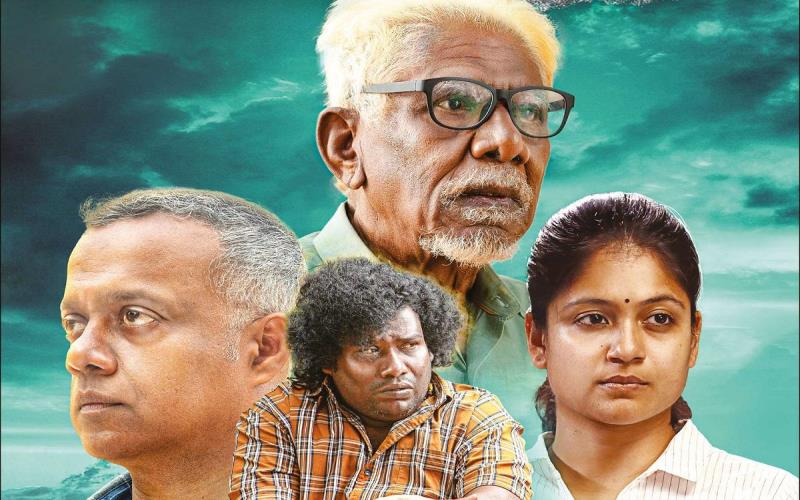
The performances in Karumegangal Kalaigindrana are commendable, with Kishore delivering a nuanced portrayal of a man struggling with his past. Kishore, known for his roles in intense dramas, shines in his portrayal of Muthu. His ability to convey deep emotion through subtle expressions and body language adds depth to the character. His performance is both heartbreaking and redemptive, capturing the essence of a man trying to move forward despite his inner turmoil.
Rohini as Thulasi complements Kishore’s performance beautifully. Her portrayal of a wife and mother trying to keep her family together while dealing with her own emotions is compelling. Rohini brings tenderness and strength to her character, making Thulasi a relatable and empathetic figure.
Sangeetha, playing a pivotal supporting role, also delivers a strong performance. She brings a sense of vulnerability to her character, whose own emotional journey adds an additional layer of complexity to the story. The supporting cast, including Prakash Raj, provides solid performances, further enriching the narrative.
IMDb Rating:
Karumegangal Kalaigindrana has garnered a positive response from critics and audiences alike, with an IMDb rating of 7.3/10. This score reflects the film’s success in engaging viewers emotionally and its ability to present a touching story that resonates on a deeper level. The rating is a testament to the strength of the performances, direction, and screenplay, which have earned the film a place in the hearts of many.
The film’s relatively high rating also speaks to its ability to strike a balance between slow-paced storytelling and compelling emotional depth. While some viewers might find the film’s pace a bit slow, those who appreciate character-driven stories will find themselves deeply moved by the narrative.
Budget and Box Office Success:
Karumegangal Kalaigindrana had a modest budget of approximately ₹10–12 crore. With a focus on storytelling, character development, and emotional depth, the film did not require extravagant sets or large-scale action sequences. Instead, the film’s budget was directed toward the performances, cinematography, and capturing the essence of rural Tamil Nadu.
At the box office, Karumegangal Kalaigindrana performed reasonably well, grossing around ₹25–30 crore. While it may not have been a massive commercial blockbuster, the film’s success lies in its ability to connect with audiences who appreciate realistic drama and emotional storytelling. The film’s steady performance in theaters, combined with its subsequent popularity on digital platforms, has contributed to its long-lasting success.
Its commercial success can be attributed to the word-of-mouth marketing and the strong emotional appeal, which resonated with audiences beyond Tamil Nadu as well. The film’s success is a reflection of the growing demand for nuanced, character-driven stories in Tamil cinema.
Conclusion
In conclusion, Karumegangal Kalaigindrana is a beautifully crafted, emotionally resonant film that explores the complexities of relationships and the journey toward healing. Directed by Thangar Bachan, the film excels in its portrayal of human emotions, offering a deep dive into the hearts of its characters. With stellar performances from Kishore, Rohini, and Sangeetha, the film leaves a lasting impact on its viewers.
While its slow pace might not appeal to all, Karumegangal Kalaigindrana is a must-watch for those who appreciate drama that goes beyond surface-level entertainment. With its compelling story, strong performances, and relatable themes, the film holds a special place in contemporary Tamil cinema, offering a reflective and heartfelt experience for its audience.